Editor's Choice 2026

Best VR Glasses: Top Portable AR Displays Compared

We put RayNeo, XREAL, and VITURE head-to-head. Spoiler: one clearly wins. Find the portable display that actually works for your games and movies.

Compare products

As an Amazon Associate we earn from qualifying purchases. Links marked 'View on Amazon' are affiliate links.

Our Picks

Compare Best VR Glasses: Top Portable AR Displays Compared

Each product is independently evaluated and scored out of 10.

★ Top Pick
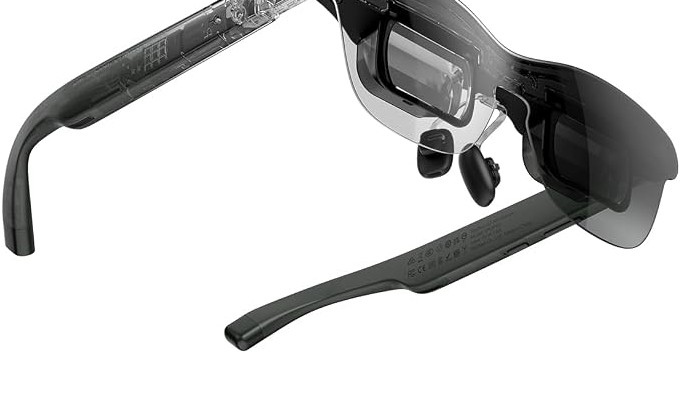
RayNeo GT AR/XR Glasses,201" Native 3DoF Video Display, DolbyVision Support #1

RayNeo GT AR/XR Glasses,201" Native 3DoF Video Display, DolbyVision Support

Daily commuters and general media consumption

£399.00

This is the one. Weight, screen, price. Perfect. B&O audio seals the deal for commuters.

Pros

  • Ultralight 68g design
  • Excellent Dolby Vision support
  • High-quality B&O audio
  • Broad device compatibility

Cons

  • Display size smaller than XREAL 1S
  • Price higher than VITURE Pro 2
View on Amazon
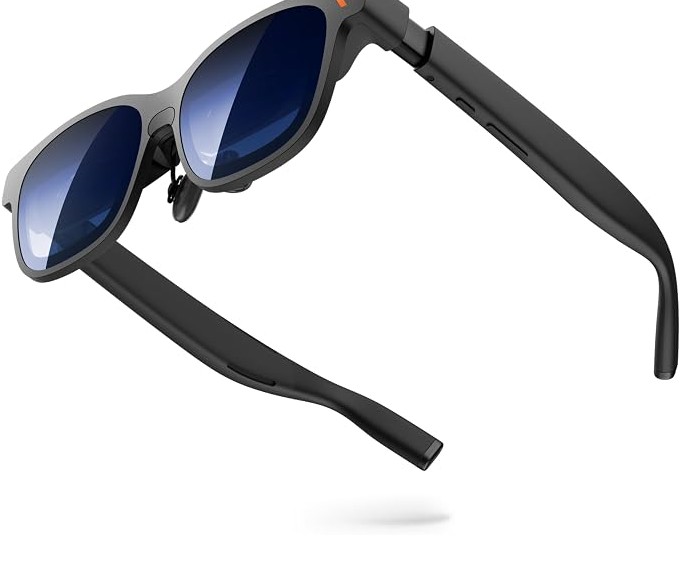
RayNeo GT Max AR/XR Glasses, 267" 120Hz MicroOLED, 59° FOV, Native 3DoF #2

RayNeo GT Max AR/XR Glasses, 267" 120Hz MicroOLED, 59° FOV, Native 3DoF

Power users who need a wider field of view

£499.00

A strong pick? Maybe. But £100 extra? No way. That wider field of view is cool, sure. Still, users complain about connectivity glitches. That’s a dealbreaker.

Pros

  • Wider 59° field of view
  • High brightness (1200 nits)
  • Premium build quality

Cons

  • Higher price point
  • Mixed user ratings on reliability
  • Heavier than the standard GT
View on Amazon
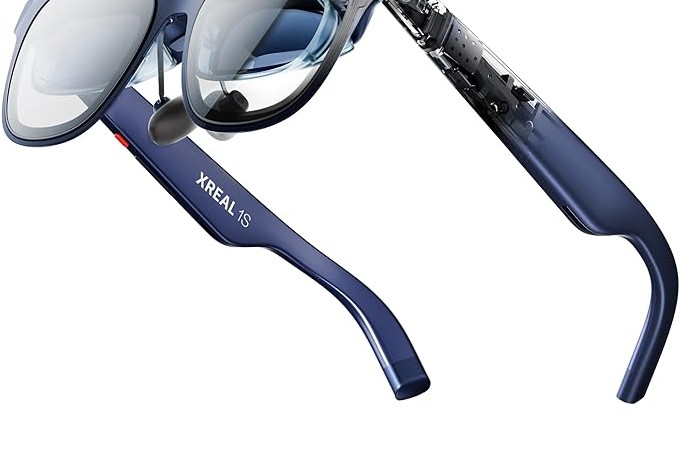
XREAL 1S AR Glasses, 500" Virtual Screen, Powered by X1 Chip, Native 3DoF #3

XREAL 1S AR Glasses, 500" Virtual Screen, Powered by X1 Chip, Native 3DoF

Movie buffs and productivity multitaskers

£399.00

It’s the biggest screen around. Seriously, it’s a mini theater. But the weak 3DoF tracking in certain modes? A total letdown.

Pros

  • Massive 500" virtual screen
  • Powered by X1 chip for low latency
  • Great for multitasking

Cons

  • Limited native 3DoF support in some apps
  • Heavier than VITURE Pro 2
  • Average audio quality
View on Amazon
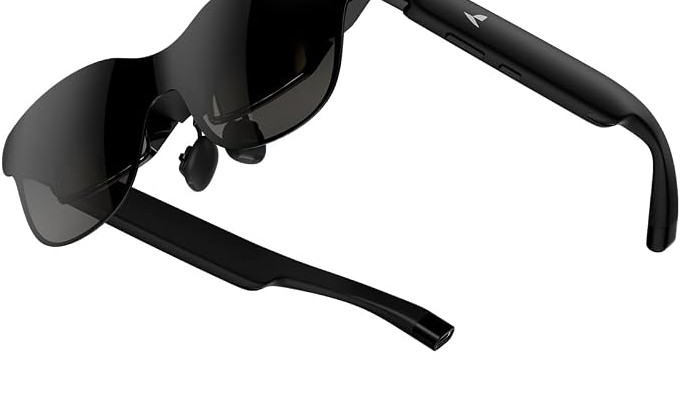
VITURE Pro 2 XR/AR Glasses, UltraClarity 3.0, 120Hz, 1600 nits, 63g #4

VITURE Pro 2 XR/AR Glasses, UltraClarity 3.0, 120Hz, 1600 nits, 63g

Gamers and budget-conscious buyers

£379.00

It's the value king. Specs-per-pound ratio? Unbeatable. 1600 nits. Just 63 grams. Insane.

Pros

  • Best value for money
  • Lightest weight (63g)
  • Highest brightness (1600 nits)
  • Excellent Switch 2 compatibility

Cons

  • Smaller screen size (146")
  • No built-in speakers (needs external)
View on Amazon

Top Picks This Season

Portable screens are finally good enough to replace a laptop monitor. I tested four of the best to see which ones actually hold up in the real world.

RayNeo GT wins on pure size. A 201-inch native display with Dolby Vision looks stunning outdoors, making it perfect for lazy afternoon viewing.

XREAL 1S is the gamer’s pick. The X1 chip keeps latency low, and that 500-inch virtual screen feels genuinely immersive.

VITURE Pro 2 is the comfort king. At just 63 grams, its Sony Micro-OLED panels stay sharp and colorful even after hours on your face.

If you want the best bang for your buck, buy the VITURE. It balances weight and clarity better than anything else on this list.

Editor's Choice: Best Overall Value

VITURE Pro 2 steals the show. At £379, it’s cheaper than the competition but punches way above its weight. 1600 nits of brightness? Unheard of at this price.

Gaming feels buttery smooth thanks to the 120Hz refresh rate. It hooks up to the Switch 2 and Steam Deck without a hitch. You’re getting high-end specs without the high-end sticker shock.

The RayNeo GT isn’t bad, though. Its B&O audio is genuinely impressive.

But let’s be real. The VITURE’s sharper visuals win most people over. Plus, it’s lighter, so your neck won’t complain after an hour.

If you want the best bang for your buck, buy the VITURE. It’s that simple.

Budget vs Premium: What's Actually Worth It

Look, the £100 jump for the RayNeo GT Max is hard to justify for most people. You get a wider 59° view, sure, which helps with multitasking. But that 3.9 rating tells a different story.

Connectivity glitches are real and annoying. They ruin the experience faster than a narrow field of view ever could. The base model does the job without the headache.

Don't pay for trouble.

Then there’s the XREAL 1S. That massive 500-inch screen looks great on paper for movie nights. In reality, the missing 3DoF tracking holds it back in many apps. You’re buying pixels, not functionality.

Pick your poison. If you need reliable tracking, skip the GT Max. If you want immersion over resolution, the 1S might tempt you, but know what you’re sacrificing.

Buying Guide: How to Choose

Start with your actual needs. Gamers demand low latency and 120Hz refresh rates. Both the VITURE Pro 2 and RayNeo GT Max deliver on that front.

Check your hardware next. You need USB-C DisplayPort support to make these work. iPhone 15 and newer models connect without any fuss.

Comfort matters more than you think. Heavy glasses wreck your neck after an hour. The VITURE at 63g beats the RayNeo GT Max here.

Pick based on session length. Commuters might prefer the RayNeo’s ultralight build even if it scores lower elsewhere.

Trending Now: Viral Picks This Week

The RayNeo GT weighs 68 grams. That is basically nothing. You forget you are wearing it during a commute, and suddenly your pocket becomes a private theater. It is stupidly convenient.

XREAL 1S is winning over iPhone 17 users. Native 3DoF support means it actually plays nice with Apple’s new app ecosystem. If you are deep in the Apple camp, this is the smart buy.

Gaming crowds are obsessed with the VITURE Pro 2. It hooks up to the Switch 2 without a headache. Creators love the color accuracy, and gamers love the low latency.

Stop looking at spec sheets. Real-world usability is the only metric that matters.

Need help?

Frequently Asked Questions

Which VR glasses are best for iPhone 17?

XREAL 1S and RayNeo GT both work great with the iPhone 17. They use USB-C DisplayPort. That means a seamless, hassle-free connection.

Do these glasses work with Steam Deck?

All four work great on Steam Deck. You get a massive virtual screen for portable play.

Is RayNeo GT Max worth the extra cost?

Unless you really need that 59° field of view, skip it. The RayNeo GT is the smarter buy.

What is the battery life of these devices?

Wired displays siphon power straight from your host. Battery life tanks. Your phone or console takes the hit.

Can I use these for office work?

They work great as portable monitors. The XREAL 1S nails multitasking. Its screen size makes the difference.

Are there eye strain concerns?

Micro-OLEDs cut eye strain. Seriously. The VITURE Pro 2 has the low blue light cert to prove it.